
Showing posts with label careerchoice. Show all posts

Wednesday, August 10, 2022

Career Choice: Air Hostess, Air Hostess Training Institutes in Nepal


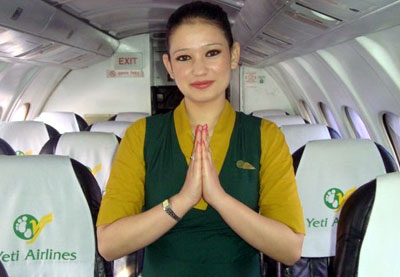
Air Hostess or Flight attendant or flight steward are members of an aircrew employed primarily to ensure the safety and secondly the comfort of passengers during flights. Every airline aims at providing a complete in-flight service to its passengers. In-flight service is the pivotal part of the whole operation system of an airlines. And the responsibility of in-flight service lies on the shoulders of the Cabin Crew commonly known as Air Hostess or Flight Attendant. On this ground it would not be an exaggeration to say that in many ways Air Hostess are the brand ambassadors of an airline.


There are a number of duties of an Air hostess or a flight attendant. The first and foremost is that they have to make passengers feel comfortable so that they have a wonderful journey. Greeting passengers, making sure that they are seated properly, addressing their requirements, providing special care and attention to children, elderly and disabled passengers and making the regulatory announcements are some of the responsibilities of an Air Hostess. Along with this, the flight attendant's duties are safety related. Prior to each flight, flight attendants attend a safety briefing with the pilots and purser. During this briefing they go over safety and emergency checklists, the locations and amounts of emergency equipment and other features specific to that aircraft type.

Many young girls opt for this career because of the exciting experience of flying, visiting different places, interacting with different kinds of people on board and for the attractive pay package. Air Hostess job is for those with an inclination towards customer service, and more importantly, a passion to fly. Though this career offers an exciting experience and a handsome salary, it is not as easy as it seems. This is a highly demanding job which involves odd duty hours and requires a lot of patience. Air hostess' duty is not just to serve food and drinks. They are to handle passengers during any emergencies, counsel passengers and provide first aid services. And those who can handle the tiresome and unpredictable lifestyle, there's nothing quite like flying through the air as an Air hostess.


A flight attendant may perform the following tasks:
> Conduct pre-flight cabin checks and receive prepared meals, beverages and equipment
> Check boarding passes and direct passengers to seats
> Advise passengers of safety regulations
> Distribute reading material and serve meals and drinks
> Provide first aid treatment and assist sick passengers
> Anticipate and provide for the comfort of passengers needing special attention, including unaccompanied children, parents with infants, people with disabilities, the elderly and non-English-speaking passengers
> Take action in the event of decompression, turbulence, mechanical malfunction, or unlawful acts by passengers
> Prepare for emergency landings and the evacuation of passengers.

Air Hostess Training is important for those aspiring an Air Hostess career. Being an air hostess is a dream of a lifetime for many young Nepali girls, but to achieve it they have to go through a tiresome Air hostess training program. Once they complete their primary training from the institutes Air Hostesses have to go through the training sessions of the respective airlines too.

Yeti Air in Nepal has a set system followed during both selections and training sessions. Selected candidates have to go through 15 days of training session that includes both hospitality and safety related services. Once they complete their training program they have to sit for exams and only those who pass are sent for duty. Others will be on stand by. The job of an Air hostess is exhilarating and rewarding once you go through with your training.  But of course, at times the trainings can be exhausting.


Air Hostesses work in shifts which involve irregular hours, working weekends and public holidays, and spending time away from home. They work long hours in a pressurized cabin and must adjust to varying climatic conditions and different time zones.

Eligibility for an airhostess-training Programme is plus two (+2). For a person with a diploma degree in Aviation / Hotel Management or Tourism Management can also pursue graduation degree in Aviation. But more important, the applicant should be physically fit with a pleasing personality and good communication skills. Eligibility for Air hostess job is based on a written test, group discussion and personal interview with a panel of aviation experts. The aspirant must be eligible to hold a Nepali Passport (for applying to International airlines) with a minimum height of 157.5 centimeters. Minimum arm reach of 212cms (on tip toes), which enables you to reach emergency equipment on all aircraft types The weight should be in proportion to height. Further, one must be unmarried, with normal eyesight of 6/6 uncorrected vision in each eye ( relaxable depending on the airline- for example Lufthansa airline also employs married ladies ). Fluency in English, Nepali, and knowledge of an international language is an added advantage.


Those who qualify in the written examination have to appear for a group discussion followed by a personal interview of successful candidates. If selected you will be on training for 2 to 3 weeks in which time you learn about service, grooming, safety and first aid, after which you are initially put on trainee flights.

Referred Institution:
Employment can be found with private owned domestic as well as international airlines. The job of an Air hostess is one of the most sought after career in the aviation job market. With privatisation and foreign collaboration increasing every day, the future of an airhostess is very appealing. With increasing competition among private airlines companies in Nepal, the service and fleet size of these companies are ever expanding. This has created a good prospect of job for an air hostess in Nepal. Career as a flight attendant last for about 8- 10 years, after that you could move on to the other duties like checking hostess, flight hostess/ flight attendant trainer of worked in the management level. One can also diversify into any one of the other departments in the airline industry. An Air Hostess has every chance to be promoted to the post of Senior Flight Attendant and then Head Attendant.

INSTITUTES:
Some of the popular institutes providing Air Hostess Training course in Nepal are as follows:

1. Flytech International
Address: New Plaza, Putalisadak, Kathmandu and Chabahil, Chuchchepati, Kathmandu
Phone : 977-1-4532169 | 9841245427 (Putalisadak), 977-1-4497736 | 4493661 (Chabahil)

2. Global Wings
Address:  Putalisadak, Kathmandu
Phone: 014233864,015351689, 9802070971

3. Air Hostess Training Institute Private Limited
Address: New Baneshwor, Kathmandu
Phone: 4783564, 9813624316

4. Sahara International Airhostess Academy
Address: Durbarmarg, Kathmandu and Rajmarg Chauraha, Butwal
Phone: Kathmandu Office - 014262216 , 9802670421; Butwal Office - 071550360 , 9857038851

5. Geeta Aviation
Address: Putalisadak, Kathamndu
Phone: 977-1-4218313, 977-1-4216286, 977-9801010102

Monday, August 8, 2022

Career Choice: Pilot, Pilot Training Institutes in Nepal


A pilot is a person who flies an aircraft. They are highly trained professionals who fly airplanes and helicopters carrying passengers or cargo. If you are the one who has always dreamt of flying a jet or an aircraft, a career as a pilot is the most appropriate option for you. Pilot is the only career that will let you to undertake your passion on a daily basis. And more? You are going to earn more than a reasonable salary.


A career in aviation provides its pursuer with the opportunity to travel around the globe. This is a fascinating and a rewarding profession. It is highly rated and one of the most adventurous career which requires intensive training and highly scheduled and regulated lifestyle. It is a highly specialized job which requires knowledge of air navigation, interpretation of meteorological reports, operations of sophisticated electronic and mechanical controls, leading the aircraft under adverse circumstances, and being a leader to the flight crew and passengers under climatic and other emergency situations.

Usually Nepalese students go to the USA, the Philippines, South Africa, Canada or Pakistan for aviation and pilot training. Pilot training courses offer the students a perfect platform to prepare for a challenging career in the aviation sector. There are a number of institutes providing pilot bridge course training to the students interested to study abroad in this field. In Nepal. Shivani Air (P) Ltd was the first fixed-wing Pilot Training School in the aviation history of Nepal, provided Private Pilot License and Commercial Pilot License training of international standard. But pursuing a career as a pilot requires one more thing except dedication, talent, and passion. As the cost of pilot training anywhere in the world is very high money turns out to be yet another important factor.

The cost of training depends on which country you choose to train. For example in USA, Canada and Europe it will cost you around USD 80,000. This includes your training fee (Flying), ground schooling, exam fee, insurance, visa, air-ticket, books and materials, food and lodging and some personal expenses. For Philippines, it is around USD 57,000 which includes all above mentioned. In most countries the duration for Commercial Pilot Training is around 12 months. In Europe it is around 2 years.


Students who wants to join pilot training should be at least 18 years old with the minimum qualification of I. Sc. or 10+2 (physics & Math's) or equivalent. He/she should suit the medical requirements as designated by Civil Aviation Authority of Nepal (CAAN). There is also the provision of private pilot license training in Nepal, lasting one year comprising six months of theoretical and six months of practical classes.

JOB PROSPECT
The mushrooming growth of private domestic airlines in Nepal has made Pilot an exciting career. A pilot can find employment opportunities in both government (NAC) as well as private domestic and international airlines (Yeti, Budhha, Emiraes etc.). With privatization and foreign collaboration increasing every day, the number of airline companies has been increasing globally due to which there is a high high prospect for Pilots. With increasing competition among private airlines companies in Nepal, the coverage area and fleet size of these companies are ever expanding. This has also increased the demand of pilots in the job market inside the nation as well as outside it. At present a huge demand beyond supply persists in China and India due to boom in the airlines business in these nations.

In this field, after getting Commercial Pilot License (CPL) a fresher starts his career as a trainee pilot. After being a trainee, one becomes a pilot or first officer on board based on his/her seniority. Seniority is determined by hours of flying experience and successful completion of various programs. Then one becomes a Commander or Captain and thereafter a Senior Commander.


SALARY:
Pay scales of commercial pilots in the organizations depend on the grade level of the positions, the Airlines where they are working and how many hours you are given to fly. But anyhow the remuneration and incentives that pilots are to receive are very attractive. However, the average salary for a Co-Pilot is around 1 lakh in NPR (approx.). For Captain its starts from 3.5 lakhs per month depending upon the seniority and the flying hours and the airlines they fly with. The pay scale rises with the pilot's experience and seniority.

Institutes offering Pilot Training classes as follows:
1. Northern Light Academy of Aviation and Technology (NAAT), Kathmandu,
Address: New Baneshwor, Kathmandu
Phone: 01-4488991, 01-4489868

2. NorthFACE International Educational Consultancy (P.) Ltd ( For Consulting  and Guidance for Pilot Training abroadP
Address: New Baneshwor-10, Kathmandu, Nepal
Phone: +977-1-4462553, +977-1-4499993

Friday, July 29, 2022

Career Choice: Video Jockey, Video Jockey Training Institutes in Nepal


A Video Jockey (VJ) is a person who introduces and plays music videos on television. VJ is responsible for entertaining audience with his/her witty anchoring and presentation. The Video Jockey should adopt a unique style and delivery, which usually determines their popularity among the audience.


VJ's work area involves - introducing videos, hosting game & travel, chatting with the public, doing interviews with artists etc. VJ is required to be up-to-date on the latest trends in music, information about music stars and other celebrities. To fulfill their role as experts, VJ should have a well-rounded knowledge of all types of music and also should be informed about a bit of everything from films to politics to travel whatever the theme the show demands.

Personality Traits

A VJ should possess following attributes:
> Excellent communication skills
> Good sense of humor
> Knowledge of and interest in music
> Possess good diction
> Creativity of mind
> Ownership of a live appealing voice


Some of the popular VJs in Nepal are Suraj, umit, Saloni, Malvika, Navaraj, Nisha  etc. The growth in the TV industry and rise in the number of TV channels have opened a number of opportunities to young, energetic and enthusiastic who has passion to entertain. With more and more new TV channels being proposed, the demand for Video Jockeys is likely to shoot up in the coming years.

Eligibility
Except some personal attributes, no specific educational background or qualification is needed to become a Video Jockey. However, a course in public speaking & mass communication can prove to be of great help.


JOB PROSPECT
Countless opportunities are open for good video jockeys as the demand for good Video Jockey is on rise with the launch of numerous TV channels. They are being hired to host various shows like game, travel, chitchat, music etc on numerous channels like Kantipur, Image, Sagarmatha, ABC, Channel Nepal etc.

There is no such thing as hierarchy in this profession. The success lies entirely on VJ’s attributes- his or her ability to connect with the audience. This profession is exciting as one get to host shows in the country or abroad, meet celebrities, and be on the glam walk of life.

A successful VJ can also opt for program producer, modeling, acting in music videos & films.

SALARY:
Video Jockey salaries will vary greatly depending on the size of the TV station and the type of show. The experience & popularity of Video Jockey also play great role in determining salary. Usually, salaries will range from Rs. 7,000 to Rs. 25,000 depending on the factor mentioned. Besides, personal appearances and endorsements give Video Jockeys the ability to earn additional revenue.


Institutes offering Video Jockey classes as follows:
- Video Jockey (VJ) Training at The Media̢۪s Collection, Bagbazar, Kathmandu, 4233043
- Video Jockey (VJ) Training at Axis Media and Ent. P. (Ltd), Bagbazaar, Kathmandu, 2331656

Career Choice: Secretary, Secretary Training Institutes in Nepal


A secretary is a person who is responsible for the smooth running of the administrative and clerical duties. Other titles describing jobs similar to that of secretary are personal secretary, office assistant, executive secretary and general secretary and so on. The exact nature of the work varies widely from job to job.


The main duties of secretary consist of:
> Typing letters, filing bills and letters & maintaining files
> Taking phone calls for their boss & transferring important calls to the boss
> Handling the boss appointments & calendar
> Scheduling and canceling appointments
> Organizing & canceling meetings
> Making travel arrangements & accommodation
> Control the work environment in absence of boss

The work of a secretary covers a wide variety of functions. Secretary to aid them in their tasks uses many machines like fax, telephone systems, photocopy, scanners etc. They also work on personal computers to develop spreadsheets; write correspondence; supervise databases; and produce presentations etc.


A course in office administration would be beneficial for someone aiming to become a secretary. Learning interpersonal skills and etiquette would be an added advantage for a secretary.

Eligibility:
Candidates who have passed +2 are eligible for the diploma/certificate courses.

Normally, organizations prefer applicants with a degree and secretarial training. A basic knowledge of computers is increasingly required. Communication skills are most valuable on the job.

JOB PROSPECT
Job prospect for secretary is quite good and there is scope of growth as well.


SALARY:
The size of the company and qualification & experience determines the remuneration. Some of the average monthly earnings ranges are from 4500-Rs. 10000 plus per month.

Institutes offering Secretary classes as follows:
- Secretarial Training at The New Era Institute, Battisputali, Kathmandu, 4471957
- Secretarial Training at Kathmandu Institute of Hospitality Management, Kupondole, Lalitpur, 5523648, 2111340
- Secretarial Training at Acutech Consultants, Pulchowk, Lalitpur, 01-5010720, 98037967

Career Choice: Sales Person, Sales Person Training Institutes in Nepal


Salesperson is someone who understands the need and wants of the customer and who helps them find what they are looking for. A good salesperson knows that —‘The Customer is KING’ and he/she should never be confused with the fact that company depends upon the customers it serves. 

Sometimes, customers may not know what they are looking for, or in some case, they might lack in words and description- that’s when a good sales person comes in—he /she understands the need of the customer and offers them help in finding what they are looking for.


A good salesperson should always serve the customer at the best of his/her ability- and that’s the best-kept secret of this profession. Rather than judging by the looks of the customer, a good salesperson should always welcome the customer with a warm smile; whether the customer would buy their product or not.

In today’s highly competitive environment, sales is also about customer retention. Salesperson is fooling himself or herself by selling a defective product. Because that customer will never come back again and you are loosing that customer forever or might lose even more due to bad publicity. Hence, honesty and respect for the customer should always come as a top priority for a salesperson.


Eligibility
It is important to have personal skills than professional certificates in this profession. Salesperson must be a people person and should have the ability to mix with people at varied levels. In addition, he/she should have good communication, problem-solving skills and most importantly should have an ability to convince people. .

Although there aren't any formal educational requirements for salespersons, many employers prefer a high school diploma or its equivalent for retail business; but others like for Medical Representatives (MR) normally associated with Medical Fields requires Bachelors degree atleast.


JOB PROSPECT
The trained and skilled professionals are in great demand with the expansion of marketing sector. This has opened the doors to people who wish to purse career in this field. The working time depends up on the company one works for. It can vary from regular jobs like 9am to 5pm; to retail businesses like 10am to 7pm. And sometimes depending on the workplace one might have to work on Saturdays and public holidays as well.

Possible career paths in this field include Sales, Store Manager, Retail Manager, Retail Buyers & Merchandisers, Visual Merchandisers, Supply Chain distributor, Logistic & Warehouse managers and Marketing Executives.

There is a good demand for trained & talented retail management professionals in Nepal. Companies like UFO, Bhatbhateni Department Store, Namaste Supermarket, Saleways Peanuts, Top Class, etc have opened chains through out the cities which offer huge job openings.


SALARY:
Depending upon the company, nature of work and the area where you work, the remuneration greatly varies. The salary ranges from NRs1000 to 100000 per month (depending upon post & experience) with bonuses and extra working hour benefits in some companies.

There is a greater scope of advancement in this field. The one with experience and seniority usually move to positions of greater responsibility and good pay.

Career Choice: Disc Jockey, Disc Jockey Training Institutes in Nepal


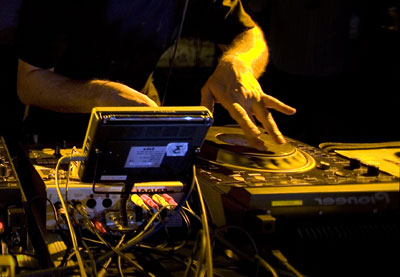
Disc Jockey (DJ) is a performer who plays recorded music in front of the live audience. DJ should have a taste for music and also knowledgeable database of music. DJ selects and plays music for people to dance to and enjoy, in clubs, pubs, restaurants, discos, events, celebratory events such as parties & weddings and wherever there is a need for music. The job of a DJ is to entertain audience and keep them in the party mood.


The demand and popularity of DJs is huge on the international circuit. Though, still in a very primitive stage, Djing is getting extremely popular and growing at a rapid pace in our country Nepal. The Djing will continue to get popular as everyone loves music and it is a very important aspect of our culture and has been present in our lives for centuries. Djing complements our cultural celebrations hence it is here to stay.

Like in any other profession, experience is a plus point to the DJ. Understanding the nature and mood of the crowd is most important. It is also important for a DJ to be able to use wide range of different equipments in different venues (sound systems, audio devices, mixers and so on) with confidence. DJing requires a wide range of skills like a good ear for rhythm, a sense of timing, technical ability, good inter-personal skills and creative talent for mixing music. DJ should have bundle of energy to motivate crowd.


Some of the noted names in this profession are DJ Paul Van DYK, DJ Enferno, DJ Skribble, DJ David Guetta, and DJ Armin Van Burren in America and DJ TAVO, DJ NYK, DJ ICE and DJ Naren in India. Some of the popular names in Nepal are DJ Raju, DJ Ankit, DJ Tantrik ,DJ Bijay etc.

Eligibility
Formal educational is not necessary to become a DJ. But DJ must have sound knowledge of music and be able to operate gadgets. Most importantly, he should have passion and taste for music. Any background in music will be a plus point. In addition, a DJ must keep himself updated with the latest in music.

JOB PROSPECT
DJs do not have a regular 9 to 5 job. In fact, it is quite opposite. Their work starts when people are fast asleep. They can be called to DJ at shows and functions anytime of the day or night. The success of the DJ depends the way the crowd response to his/her music.


Possible career paths include:
> Record producer
> Remixer
> Audio Editor (TV, Radio, Film)
> Sound Designer (Film, Computer, Games)
> Soundtrack Composer
> Mastering Engineer
> Post-Production Audio Engineer

Like in other field, there is no formal career path to DJ, in the way of exams or qualifications. The more popular you are, the more will be bookings, which increase with success. The most successful DJs often find work on public radio stations, or try to start their own, or some open their own DJ training institute and this helps to spread their name and build their reputation.

SALARY:
DJs are almost always self-employed and earn money on a flexible basis, in relation to demand for their services. In the beginning, the salary might not be that good. But, there is a possibility of getting good fringe benefits once you prove your mettle


The normal salary would range from NRs.20, 000- 100,000 per month. A professional DJ in town can make upto Rs 100,000-Rs 200,000 a show if it’s done in 5-star deluxe hotels.

Institutes offering Disc Jockey classes as follows:
Disc Jockey (DJ) Training at Boom International, Anamnagar, Kathmandu, 01-6225212, 98510995

Career Choice: Videographer, Videographer Training Institutes in Nepal


In simple terms, Videography is the art of telling a story through careful presentation of video. On a set, Videographer is usually responsible for the camera, lighting and sound. To produce smooth footage, Videographer needs good hand-eye coordination and a steady grip; they must have extensive knowledge in operating a video camera; and they must familiarize themselves with the locations that will be used. Videographer uses video cameras to make films & documentaries. They also create visual presentations for corporations and record special events or celebrations such as anniversaries and weddings. Some Videographers do their own editing, which is often performed through computer software due to the rise in digital technology.


Significant Points:
> Videographers normally acquire their skills through on-the-job or formal postsecondary training or combination of both. Research and subscriptions to magazines & newsletters can also enhance videography skills.
> A mix of technical expertise, a sharp eye, creativity and imagination are essential.
> Many talented people are attracted to this field. Hence, Competition is keen for professionals seeking to enter this field.

There are many different workplaces for videographers. Those employed by television and cable networks and advertising agencies usually work a 5-day, 40-hour week. Sometimes to meet production schedules, they may need to work longer hours. Videographers, working in news section in television often work long, Though this profession looks exciting and interesting, it is quite demanding as well. Employees must be available to work on short notice and they must be willing to work at various hours. Normally, Videographer working in motion picture production work long & irregular hours.


JOB PROSPECT
Videographer has various choices. They can make career as full time employee in Television Channel like Kantipur, Image Channel, Avenues, News 24, National, Sagarmatha and others. Freelancing is quite common in this profession. They can also work as a freelancer in documentaries, short films, TVC, Corporate Presentation, Music Video and Special Presentation.

SALARY:
Depending upon the experience and qualification, the salary for Videographer, normally, ranges from Nrs. 10000 to 50,000. As a freelancer in documentaries, music video and other presentations, earning is between NRs. 20000 to 100,000 per project.


Institutes offering Videographer classes as follows:
- Videography Training at Academy of Audio-Visual Arts & ScienceTripureshwor, GPO Box: 14377, Ktm, Kathmandu, 4265718, 4256522
- Videography Training at Kantipur Photography Videography Training Institute, Putalisadak, Kathmandu, 4422236
- Videography Training at Universal Photography Videography Training Institute P. Ltd, Putalisadak, Kathmandu, 4422236
- Videography Training at Universal Photography Videography Training Institute P. Ltd, Maharajgunj, Kathmandu, 2004956
- Videography Training at Image Broadcasting Acadamy, Bagbazar, Kathmandu, 2001414,2002084

Career Choice: Waiter, Waiter Training Institutes in Nepal

Waiters are the one who serves table at a restaurant. It demands a lot of attributes to perform the role of a waiter. Ability to work hard, Patience, and problem solving skills are few attributes which waiter must achieve perfection on. The main responsibilities of waiter include preparing tables for a meal, taking customers' orders correctly, serving drinks and food, solving customer complaints if any and cleaning up before, after and during servings in a restaurant. The foremost goal of waiter is to keep customer happy.


Some vocational training is needed if you want to work as a waiter in high end restaurant rather than a regular fast food joint where degree is not needed. Many high-end restaurants offer a specific style of cooking—they may feature Nepalese, Chinese, French, Italian, Japanese, or some other specialized cuisine. These high end restaurants hire people who have had experience or formal training. In certain restaurants waiters must have special skills such as fluency in a foreign language or knowledge of formal table service.

Work Conditions
Restaurants are, usually, pleasant places to work as they serve the public. Waiters must be pleasant, outgoing and should have patience as they have to deal with many different personality of different nature. They reflect the image of the restaurants. Hence, they should remain poised even when most busy. Though exciting it may look, this job is extremely demanding as it involves standing, walking, bending etc. waiters are expected to work holidays, weekends, and evenings.


Eligibility:
Employers will prefer those with food service backgrounds and training from training institutes but mostly they provide on-the-job training.

Personal Requirements
It's a researched fact that, in any organization, most business (80 percent) comes from repeat customers rather than new customers and repeat customers of any restaurants are gained by the overall performance of waiters. Specifically speaking, they project the overall image of restaurants. Hence, they must also be able to think fast and work in a fast-paced environment while tending to the various needs of their customers. They should also be in decent physical shape due to the amount of food and beverages they continually bring to their customers.

JOB PROSPECT
Good waiters are promoted to a work shift that offers better opportunities for tips. Usually, tips are higher in liquor serving restaurant. Experienced waiters may look for jobs in such restaurants. They may become headwaiters or advance into the management end of the restaurant business.


Restaurants have flourished in Nepal. More and more restaurants are opening up due to the trend that Nepalese are eating out more than ever. With the growth in number of restaurants, the number of jobs for waiters are also on rise and are expected to grow faster in the coming years. Due to a high job turnover rate, more openings are available in less expensive restaurants. Competition is highest for jobs in expensive restaurants, where wages and tips are higher.

SALARY:
Different types of restaurants have different pay structure hence wages for waiters vary greatly. Normally, the salary ranges from Rs. 8000 to Rs. 30,000 per month depending on the type of restaurants and its location. Performance, service standard & Experience play major part in promotion of junior level to senior level.  In some cases, waiters usually earn more from tips than they do from wages.


Institutes offering Waiter classes as follows:
- Waiter Training at Modern Hotel Training Center, Maharajgunj, Kathmandu, 4363215,2315801
- Waiter Training at Radission Hotel Training Center, Bagbazar, Kathmandu, 016913003, 985109362
- Waiter Training at Sahara School of Hospitality Management, New Baneshwor, Kathmandu, 2040782, 016200575
- Waiter Training at Triveni Training Center, Maitidevi , Kathmandu, 4416519, 9841387815
- Waiter Training at Kamana Hotel Training Center, Koteshwor, Kathmandu, 4601878
- Waiter Training at Excel Academy of Tourism & Hotel Management, Chahabil , Kathmandu, 4460956
- Waiter Training at Global Institute of Hotel Management and and Tourism Technical Centre, New Baneshwor, Kathmandu, 4484098, 213454
- Waiter Training at Shangrila Paryatan & Hotel Training Center, New Baneshwor, Kathmandu, 4472553, 4475113
- Waiter Training at Mountain Hotel Training Centre, Chahabil, Kathmandu, 016212336
- Waiter Training at Abhiyan paryatan and Hotel Training Centre, Kupondole , Kathmandu, 5536057

Career Choice: Bar Tender, Bar Tender Training Institutes in Nepal

Bartending as a career and the prospect is increasing day by day. Due to its increasing demand, in Nepal also, there are many individuals who are keen to take it up as career. Bartending is an extremely demanding yet most flexible and exciting profession. This profession allows a bartender to change their work environment whenever they want a change of pace. A talented bartender can chose to work anywhere in the country, or in the world. Some might prefer the hotel while some might enjoy the charm and excitement of nightclubs.


Bartender serves alcoholic beverages behind a bar in a bar, pub or any other similar types of establishment. There are many ways alcoholic drinks are made. For instance many ingredients are combined, and each drink may be made in several ways.  The main responsibility of bartender is to know the standard drink recipes and be able to mix them quickly and accurately. These days customers are more smarter and educated than before. They have an eye for perfection. They know about wines & they are more demanding. This requires bartender to have extensive knowledge of alcoholic drinks and they should be able to do multi-tasking efficiently. They should be fast and serve customers as per their demands. Though exciting may it sound, its not an easy profession as this career usually require the ability to work nighttime hours and might not end until after two or three o’clock in the morning.

There are several bartending training institutes in Nepal. Attending those institutes is the first step toward a career as bartender. Normally, the training period ranges from two weeks to one months depending upon training institutes and it will cost you between Rs. 4000 to Rs. 7,000.  These institutes will teach you about all of the available alcoholic drinks. In addition, it will also teach you how to effectively manage a bar and its patrons.


Work Conditions
Though this profession sounds exciting, it demands a lot of hard work. It is not as easy as it sounds. Bar tenders ought to work late in the evening and usually work past midnight. Though demanding this is one of the most staple profession. People just need a reason. They will drink no matter what the occasion is, good or bad. Thus, a Bar tending will always be a steady job with steady pay.

Due to odd working hours, there are fewer women in this field compared to men. However, the ladies who have dared to take up bartending as a career are satisfied with their choice.

Eligibility:
In case of Nepal, Bartenders usually must be at least 18 years of age. Knowledge of Basic English will be an advantage. Bartenders also usually serve as the public image of the bar hence they must have a neat and clean appearance and a pleasant, agreeable manner.

Personal Requirements
A good bartender must be a very easy going person and friendly because as a bartender one has to mix with some very strange people. But no matter how stressful this job might be it can be extremely satisfying at the end of the shift.


Observation is the first step to learning. You can learn a lot by simply observing experienced bartenders at work. They can show you how to layer drinks, teach you about what types of liquors and mixers go in the different mixed drinks, and how to interact with the customers on a bartending level..

JOB PROSPECT
After gaining experience by working in small restaurants or bars, normally bartenders look for jobs in large luxury hotels, restaurants, or cocktail lounges. The reason, of course, is career advancement and better opportunity.  In hotels large enough to have many bartenders, one may advance to the position of head bartender. Skilled bartenders who have knowledge of accounting can become wine stewards or beverage managers.

With the boom in tourist industry in Nepal, the employment outlook for bartenders is expected to grow. The overall number of bartenders is large and turnover rate is high due to strong competition for positions in expensive restaurants where potential tip earnings are greatest. Like in every other profession, the one with the most training and experience will have greater opportunities.

SALARY:
A trained and experienced bartender can easily earn 10 to 40 thousand rupees per month as basic salary and additional tips. Tips are the biggest perks of this job. Hence, the figure can increase if you are able to satisfy you customers.


Institutes offering Modeling classes as follows:
- Bar Tender Training at Modern Hotel Training Center, Maharajgunj, Kathmandu 4363215,2315801

- Bar Tender Training at Radission Hotel Training Center, Bagbazar, Kathmandu, 016913003, 985109362
- Bar Tender Training at Sahara School of Hospitality Management, New Baneshwor, Kathmandu, 2040782, 016200575
- Bar Tender Training at Triveni Training Center, Maitidevi , Kathmandu, 4416519, 9841387815
- Bar Tender Training at Kamana Hotel Training Center, Koteshwor, Kathmandu, 4601878
- Bar Tender Training at Global Institute of Hotel Management and and Tourism Technical Centre, New Baneshwor, Kathmandu, 4484098, 213454
- Bar Tender Training at Mountain Hotel Training Centre, Chahabil , Kathmandu, 016212336
- Bar Tender Training at Cocktails and Dreams, School of Bar and Beverage Management, Jawalakhel, Lalitpur, 01-2003072
- Bar Tender Training at Shangrila Paryatan & Hotel Training Center, New Baneshwor, Kathmandu, 4472553, 4475113
- Bar Tender Training at Kathmandu Flair Bartending Institute, Maitidevi Chowk,Kathmandu, Kathmandu, 4437971, 4418711
- Bar Tender Training at Excel Academy of Tourism & Hotel Management, Chahabil, Kathmandu, 4460956

Career Choice: Radio Jockey, Radio Jockey Training Institutes in Nepal

Radio Jockey (RJ) is a person who anchors music programmes on radio. He selects music to be played by interacting with audience, delivers relevant local, national & international news and information in his very own style. The main task of radio jockey is to entertain & engage audience in such a way that they feel as events are going in front of them. A successful career in this field requires spontaneity, rationality, creativity of mind, good sense of humor, excellent communication skills & ownership of a live appealing voice.


This is a profession where people may not know you by your name but by your voice. People instantly connect to your voice. A Radio jockey must be friendly & warm and your voice should reflect that warmth. Today, radio jockeying is considered to be a 'hot' profession and some radio jockeys have become household names, such as Hem Subedi, Rita Limbu, Kusum Bajracharya, Chirag, Sumit , Prashant , Ashish, Chirag,  Nirnaya , Rajani etc

After transformation from AM (amplitude modulation) channels to FM (frequency modulation) channels, the radio boom witnessed a new industry rising. This gave opportunity to various private players such as Kantipur FM, KATH 97.9, Classis FM, Hits FM,. Nepal FM,Nepal FM,Capital FM etc. FM Radio is a fast progressing industry with more and more channels opening up. This FM boom has opened up a number of opportunities to young people who have passion to entertain.


Eligibility
Though no formal educational qualification is required, a degree or at least plus two is generally a pre requisite.

The most essential factor for a Radio Jockey is a good voice with the ability to modulate as per the occasion. RJ should have good communication powers and language skills. Besides, RJ should have a clear diction and accurate pronunciation. People listen to you if you have something new to share. Hence, staying updated is very important for a radio jockey. RJ needs to keep track of the happenings in and around the city.


JOB PROSPECT
Radio Jockeying is not a regular 9 to 5 job. You can be called to host or anchor a show anytime of the day or night. A Radio Jockey should also be able to write scripts for a show and should be aware about the latest movies, songs & information as well. They should also be familiar with sound equipment and computer, as they have to deal with them continuously. 


There is a lot of scope for quick growth. All you need is talent, confidence and perseverance. There are lots of opportunities for RJ. They can do voice-overs for television and radio advertisements. They can also lend their voices to audio magazines and documentaries. RJ also can anchor or compeer TV shows or live shows or events.

SALARY:
Radio Jockeys are in much demand with the opening up of the more channels.  The beginners in the initial stage can earn between Rs. 10,000 to Rs. 25,000 per month.

Besides getting contractual good money you earn by doing Ad commercials. You can earn more by doing voice-overs for television and radio advertisements. RJ's can earn Rs 3000-15,000 per projects by doing voice over for promo/ ads.

Institutes offering Radio Jockey classes as follows:
- Radio Jockey Training at The Media̢۪s Collection, Bagbazar, Kathmandu, 4233043
- Radio Jockey Training at Bikalpa, The Option, Kupondole, Lalitpur, 5011523
- Radio Jockey Training at Premium Media, Kalanki, Kathmandu, 2024007
- Radio Jockey Training at Echo Media, Bagbazaar, Kathmandu, 2004655, 9841-442660
- Radio Jockey Training at Axis Media and Ent. P. (Ltd), Bagbazaar, Kathmandu, 2331656

Career Choice: Journalism, Journalism Training Institutes in Nepal


Journalism is concerned with collection and dissemination of news through the print media as well as the electronic media. It is the timely reporting of events at the local, national and international levels. Reporting involves the gathering of information through interviewing and research, which is then turned into a fair and balanced story for publication or for television or radio broadcast. Thus it is a profession that involves gathering, reporting, writing, editing, photographing and broadcasting of news. A journalist collects and disseminates information about current events, people, trends, and issues.


Journalism comes different forms:
1) News: It is further divided into Hard News (Breaking News) and Soft News (Feature stories)
2) Opinion: Opinion Journalism is divided into Editorials, Columns and Reviews.

Similarly, Journalism is classified into two on the basis of media- (i) Print Journalism and (ii) Electronic (Audio/Visual) Journalism. Print journalists can work for a wide variety of newspapers, magazines, journals and technical publications, while broadcast journalists are usually assigned to work for radio and/or television. In print journalism one can work as editor, reporter, columnist, correspondent etc whereas in electronic journalism one can be a reporter, writer, editor, researcher, correspondent or an anchor.

If you are thinking of pursuing a career in the field of journalism, the first and foremost thing that you should have is a 'nose for news.' You should also have a keen interest in current affairs, an ability to write in a style which is easy to understand, a lively interest in meeting new people and visiting places and an ability to work under pressure to meet deadlines. You must be a group worker and be able to handle criticism. And above all, as a Journalist you must have a willingness to accept odd working hours. The uncertainty of the daily routine makes it difficult to assign time for family, personal hobbies, and any regularly scheduled plans; but those who don't like the predictability of ten-to-five jobs are attracted to journalism because "no day resembles the day before."


A candidate holding a certificate level degree or a bachelor’s degree in any discipline from a recognized university can work as a Journalist. But it is better to have the degree in Journalism. However, solely taking mass communication does not mean one can qualify as a journalist. A degree in Mass Communication and Journalism is a plus point but that doesn't guarantee you a career of a journalist; your skill and your ability counts the most. Anybody who has completed the 10+2 or the certificate level equivalent can apply for a Bachelor’s Degree in Journalism & Mass Communication. Likewise, A candidate holding a bachelor’s degree in any discipline from a recognized university can apply for admission to the Master’s in Journalism and Mass Communication.

JOB PROSPECT
The start of private media houses with the restoration of democracy in the country in 1990, has opened up new career avenues for the aspirants of Journalism and Mass Communication. Since then the demand of Journalists in Nepalese Media, be it print or electronic, is ever increasing increasing. The opportunities for journalists are endless and at the same time the job has become more challenging and more competitive. Journalists usually specialize in either print journalism or broadcast journalism. Print journalists can work for a wide variety of newspapers, magazines, journals and technical publications, while broadcast journalists are usually assigned to work for radio and/or television. In print journalism one can work as editor, reporter, columnist, correspondent etc whereas in electronic journalism one can be a reporter, writer, editor, researcher, correspondent or an anchor.

Jobs have never been a problem for the aspirants of journalism as there are lots of media houses for job placements. They can find employment with newspapers, magazines, journals, periodicals, websites, radio, television channels like Kantiputr, CNN, BBC, Avenues, Image Channel, Sagarmatha etc. Journalists who don't like working in media houses can work as professors, researchers, and analysts. While some may also work in Non governmental organizations and corporate houses as communication officer. Pursuing a career in photojournalism or press photography are also some of the varying options available.


And if you still don't like to work in any of the above areas for you detest the office environment, you can still work as a freelancer. Freelance journalists work on their own, often without a regular income. These journalists write on a wide variety of topics for various publications, radio and television stations.

SALARY:
The monthly salary of a reporter ranges from NRs. 5,000 15,000, if he/she is a fresher. But it may rise upto 20000 a month with experience. Similarly the salary of an assistant editor or editor ranges from NRs. 20,000 - 30,000 in national newspapers and magazines while the pay scale reaches upto 50,000 with the experience. But it is important to note that the salary range can be higher in case of international journals, papers or websites. Similarly, If one opts for the job in development agencies, NGOs/ INGOs, and business organizations as a communication officer, the pay scale can range from NRs. 40,000 - 100,000 a month.


Institutes offering Journalism classes as follows:
- Bachelor in Media Studies at Kathmandu University Department of Language and Mass Communication, Hattiban, 977-1- 5251294 / 5251306
- Bachelor in Media Studies at Kathmandu University-School of Arts, Hattiban, 977-1- 5251294 / 5251306
- Bachelor in Media Technology at Shepherd College, New Baneshwor, 01-4488274
- Masters in Media Technology at Shepherd College, New Baneshwor, 01-4488274

Career Choice: Photographer, Photography Training Institutes in Nepal


Photography is the practice or occupation of taking and printing photographs. It is a method of recording permanent images in a camera into a film or any light sensitive surface. And the person who captures pictures using a camera is called a photographer. Photographers capture images that visualize a story or event. Their photos can be of people, places, things or events.


As photography is a creative profession, it requires more of inherent quality, interest and devotion than ay sort of formal training. However, trainings helps aspiring photographers sharpen their talents. As a photographer, you will require an aesthetic sense as well as technical expertise. A good photographer normally should posses qualities like creativity, an aesthetic sense, good communication skills, and an ability to translate original ideas into fantastic images with impact.

For talented individuals photography can be a highly rewarding career. There are various areas of specializations like journalistic photography, fashion photography, advertising photography, wildlife and outdoors photography.


JOB PROSPECT
With the explosion of the communication network, the growth of advertising and media and the fashion boom, and digital photography, it has now become a profession with great commercial value. Photos are an essential part in both print and electronic media. So this is an area offering great scope for those who have an interest and attributes needed to be a professional. Photographers are always required in several different areas of media industry, including newspapers and magazines, book illustrations and television. Moreover, the increase in the internet usage has opened up new avenues for the aspirants of this field. A photography career offers you exciting job prospects and career options, with a variety of opportunities in different fields. Many photographers work as freelancers, working on a project or a contract basis. Others work on monthly salary, with newspapers or large corporations.

There are following different roles in which photographers can work:
> Press photographers also known as photojournalists
> Feature photographers essentially involves telling a story in pictures
> Portrait / wedding photographers who take the pictures of individuals, pets, children, families, home, garden or workplace, weddings, functions and activities of sports and other different social funictions.
> Advertising photographers
> Fashion photographers
> Nature and Wildlife Photographers
> Forensic Photographers which involves photographing a crime scene. And,
> Freelancers


SALARY:
The monthly earning of a freelancer entirely depends on the individual's capability and his name in the market. However, a fresher in this sector working as assistant to senior photographers, can earn around NRs. 5000 - 20,000. But with experience your earnings can go up to 100,000, depending upon the designation and the organization you are working. But for those who are self employed in their own organization or photo studios, the earnings can rise even higher depending upon the experience and market status.

Institutes offering Photographer classes as follows:
- National School of Film & Television, Address: Chabahil Kathmandu, Nepal , Phone: 01-4488616
- Photography Training at A.B.C Photography Institute, Bagbazar, Kathmandu, 4246122
- Photography Training at Image Broadcasting Acadamy, Bagbazar, Kathmandu 2001414,2002084
- Photography Training at Kantipur Photography Videography Training Institute, Putalisadak, Kathmandu, 4422236
- Photography Training at National Photography Training Institute, Chhetrapati, Kathmandu, 4260117
- Photography Training at Nepal Photography Training Institute, Bhotahity, Kathmandu, 4222558, 4225986
- hotography Training at Universal Photography Videography Training Institute P. Ltd, Maharajgunj, Kathmandu, 2004956

Career Choice: Modeling, Modeling Training Institutes in Nepal


A model is a person who is employed for the purpose of displaying and promoting clothing lines, fashion products or luxury items. He/she can also pose for a work of art like painting, sculpture etc. Modeling is one of the most fascinating career options in the world of glamour. It is the field of glamour, fashion and fun. The lifestyle that comes with modelling is very appealing, and yet it is full of challenges and stress. Modeling is a rewarding profession known for its extravagant lifestyle and glamour dominated by females. Modelling is one of the few industries where the earning power of women is higher than that of men. This is largely due to the fact that men's fashion and fragrance markets are considerably smaller than the women's.


Career in the field of Modeling is also considered as a gateway for entering into the film industry - National and International. Modeling is a highly competitive and short-lived career until one meets the physical requirements and standards of the profession. Further, stress factor is high with odd working hours. The job also requires a lot of stamina and patience and strength of character to cope with rejection and criticism, which is common in the competitive world of modelling and fashion. Though there is no any specific academic qualifications required for this profession, a sense of responsibility, reliability and personal neatness are important aspects. Punctuality and reliability are crucial as photo shoots and fashion shows have very tight and demanding schedules. Likewise, perfecting your walk or just being thin aren't the only requirements for being a model. Modeling is all about having the right attitude and understanding the requirement of the assignment and being able to project it. Only the person with a neat, slender figure, plenty of energy and the right attitude will attain success in this career.

There is no specific qualification or age limit to enter into this field. The first step for making an entry into it is to prepare a portfolio which consists of a series of photographs taken by a professional photographer. The portfolio can then be shown to an advertising agency, a reputable model agent or a fashion designer. There is still another way to enter into this career. You can always apply for the contests sponsored by magazines, cloth manufactures, cosmetic companies or can participate in different types of beauty pageants held every year.


The Work of a model is not a typical 10 to 5 job. Your working hours as a model differs according to the circumstances. It is usually long and stressful during tight schedules while sometimes it is shorter with more leisure's and travels. Similarly, where you work entirely depends on what kind of model you are. In house models working for fashion companies will spend their time in design studios, showrooms, stores and fashion show venues. Photographic models have to work as per the requirements of the photo shoot. You could work indoors in studios and other venues, or outdoors in all weather conditions, depending on the needs of the shoot. Modelling involves a lot of travel (sometimes overseas) to attend castings, fashion shows and photo shoots, which may mean having to stay away from home for a day to a week, a month or more. Today, most models work in all fields of high fashion modeling including catwalk, commercials, videos and photographic work for fashion magazines and advertising campaigns. Their lives are physically exhausting. Demanding schedules, stress of travel and fierce competition takes a heavy toll of a model's career. Very few can handle the pace, competition or rejection and it takes someone with special qualities to succeed.

JOB PROSPECT
There has been a boom in the international fashion industry in these recent decades. And Nepal has not been able to stay aloof from it. Modeling is now one of the most fascinating career options in glamour world of the Nation. With the expansion of consumerism and media there has been a fabulous boost in the Nepalese ad industry. This along with expansion in fashion industry have made modeling an attractive career option. It has generated a large and continuing demand for fresh faces to launch and promote varieties of branded goods and products.

Some of the major job options available to models are :
> In product advertising
> Modeling in music videos
> In live fashion shows
> Showroom displays or garment fairs
> In Modeling schools and institutes
> Working as modeling agent
> Acting in television programmes or films


Though modelling world offers ample working opportunities, job security isn't a feature of modelling. Models usually have to work as a freelancer on a contract basis so there usually are long gaps between each job. Moreover, Modeling is not a long term career as age and physical fitness is important for modelling. So, when you age, you could become a broker for a model agency, set up your own agency, or move into other areas of the fashion industry, such as styling or fashion journalism or you could open a Modeling school. Some models also branch out into the entertainment industry, for example TV presenting or acting. That is why it is considered important to have a backup of academic or vocational qualifications to ease the transition into another career after modelling.

SALARY:
For many in Nepalese glamor industry, modeling used to be a part time job for this sector was unable to support the individual's life. But now, things have changed. Modeling career has now metamorphosised into one of the most rewarding and sought after career options in Nepal. The amount of money models earn depends on the popularity of the model and on the sponsors. In case of a product ad the pay scale depends on the type of product and the financial status of the company. Similarly, in case of stage shows or fashion events the amount of money paid to models depends upon how prestigious the show is and who the organisers are. Thus a model's fees entirely depends upon his / her ratings, experience and the state of the fashion / advertising business.

An established model in Nepal who is consistently on the popularity charts earns between NRs 30,000 to Rs 100,000 per fashion Show. However, models with average market popularity are paid somewhere around Rs 10,000 to Rs 20,000 for the same. Similarly an established model gets paid in between NRs. 20,000 - 100,000 for a music video.


Institutes offering Modeling classes as follows:
- Modeling Training at Ramp Fashion & Modeling Agency, Kathmandu, 01-4419974
- Modeling Training at Dreams Unlimited, Putalisadak, Kathmandu, 9851070384 ,98412328 

Career Choice: Chef/Cook, Chef/Cook Training Institutes in Nepal


A chef is a person who cooks professionally. In a professional kitchen setting, cooks and chefs are the mainstay of the food service industry. They work in different types of kitchen setting where their main task is to plan and cook different types of food. They usually work in places like restaurants, cafeterias, lunchrooms, hotels, and other places where foods are prepared and served. But is important to understand that though cook and chef are often used interchangeably, they are different concepts. technically speaking, a chef is someone who necessarily obtains a professional degree and prepares food in a professional setting. Where as a cook may not be professionally trained and may or may not be working in a professional setting. Cooks usually gain their expertise through on the job training and experience while chefs are trained professionally. chefs are usually the head cooks who organize and direct the overall activity of the kitchen which includes planning menus, ordering supplies for food, and supervising kitchen operations to make sure that the food quality and presentation is consistent.


Cooking is an art. Cooks create new dishes and improve familiar ones. When we talk about cook we only think about restaurants, but many cooks work in schools, colleges, hotels, hospitals, government agencies, the armed services, manufacturing plants, and private clubs. Becoming a chef can be a good career move. But as it has odd working hours its pursuer need to be ready to work till late night, on weekends and almost any other time when rest of the people are not working. As a chef or a cook one has to work under time constraint in pressure enduring hot environment, smoke and fumes.

If you want to be a cook on the job training will be sufficient for you. On the job training is very common in the service industry, but if you have a dream to become something more than a cook, you will definitely need to attend a college or university to get more in-depth knowledge of the culinary arts. And if your aim is to become an executive chef, along with your university degree you have to have an experience of about a decade in this sector. Executive chefs are incharge of almost everything on the kitchen. They are generally in charge of menu development, supervision of all food outlets and kitchens within the organization, ordering supplies, setting standards for all kitchen staff, coordinating efforts with the general manager and restaurant manager to promote a successful business model for the organization.

responsive ads horizontal educatenepal

The working condition and the role of cooks differs depending upon the size and status of the establishment for which they work. Cooks may work alone or as members of a team. Likewise, depending on the size of the facility, there may be several cooks, each responsible for a different part of the menu, or a different type of food. For example, there are fry cooks, vegetable cooks, pastry cooks, and other specialties. Similarly, Conditions in kitchens also varies depending on the size of the establishment. Big restaurants are air-conditioned and have convenient work areas and modern equipment's. While others, which are established on a smaller investment, are not so well equipped, and working conditions may be less desirable.

JOB PROSPECT
Once you graduate from your vocational school you can very easily get a job of a cook for the rate of establishment of restaurants, food cafes and hotels is increasing very rapidly. Due to the influence of global culture, Nepalese people's inclination towards continental food items has been increasing in the recent years. And with every new establishment the job prospect of a cook increases simultaneously. But though you easily get a job of a cook, it requires several years of experience to become the head cooks or chefs in a fine restaurant.

After several years of experience, cooks may decide to go into business as caterers or restaurant owners. And some cooks may also become vocational school teachers or trainers in institutes. Employment is expected to increase in a rapid rate for cooks and chefs in Nepal with the boom in tourism industry in the coming years. With the 'Tourism Year 2011', there will be new avenues created for professionals involved in the food services industry. Moreover, Population growth, higher average incomes, and more leisure time continue to fuel the trend of dining out in Nepal, which promises a good career for cooks and chefs in Nepal.


SALARY
The monthly earning of cooks, chefs and executive chefs differ greatly with the region of the country and the type of food service industry where they work. Salary scale of a cook or chef in an elegant five star or a three star hotel would definitely be greater than that of those who work in an average restaurant or cafeteria. Though the salary entirely depends upon the experience, skill and type of establishment where one works, the estimated salary for a fresher in Nepalese restaurants can range from 10000  to 20000 a month, while for an experienced cook or chef the salary can be as high as 150,000 a month. Similarly, the salary of an executive chef can be even higher. Some restaurant cooks and chefs receive tips from the evening's service, while some even get paid on per hour basis. But chefs who proceed to open up their own restaurant or work in management may earn a lot.

Institutes offering Chef/Cook classes as follows:
- Cook/Chef Training at Modern Hotel Training Center Maharajgunj, Kathmandu, 4363215,2315801
- Cook/Chef Training at Radission Hotel Training Center, Bagbazar, Kathmandu, 016913003, 985109362
- Cook/Chef Training at Sahara School of Hospitality Management, New Baneshwor , Kathmandu, 2040782, 016200575
- Cook/Chef Training at Triveni Training Center, Maitidevi , Kathmandu, 4416519, 9841387815
- Cook/Chef Training at Kamana Hotel Training Center, Koteshwor, Kathmandu, 4601878
- Cook/Chef Training at Excel Academy of Tourism & Hotel Management, Chahabil , Kathmandu, 4460956
- Cook/Chef Training at Global Institute of Hotel Management and and Tourism Technical Centre, New Baneshwor, Kathmandu, 4484098, 213454
- Cook/Chef Training at Mountain Hotel Training Centre, Chahabil , Kathmandu, 016212336
- Cook/Chef Training at Abhiyan paryatan and Hotel Training Centre, Kupondole , Kathmandu, 5536057

Career Choice: Interior Design, Interior Design Training Institutes in Nepal


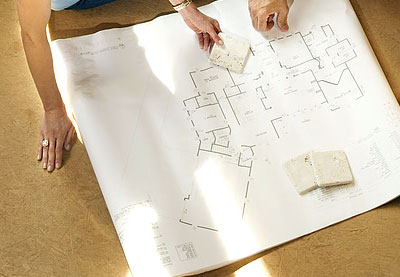
Interior design is the process of shaping the experience of interior space. Interior designing is not just decoration of the interior space but it also involves aspects of environmental psychology, architecture and product design. Interior decorating is generally focused on the interior items only while interior design is more a multi-faceted task of manipulating the architectural integrity of the interior space. It not only decorates the space with the set of items but seeks to harmonise every little change that the space will be go through. Thus, it  is the arrangement of living space i.e organizing, managing, planning and decorating the interiors of rooms at homes, offices, retail shops, showrooms, hotels, airports, exhibition halls, conference centers, theatres, studios and commercial establishments.


Interior designing is all about using creativity and technical knowledge within a space to make it look attractive and more functional as per the client's wish. Combining knowledge with aesthetic vision, interior designers work with clients and other design professionals to develop design solutions that are safe, functional, attractive and meet the needs of the people using the space. But many times designers have to face difficulties because of the confrontation between the client's wish and the their style. But the best thing about this professtion is that it is more a passion than a profession and it is not always a nine to five job.


Nepali homes have always been rich in interior decorations. Though the style of decoration and the items utilized for decorating used to differ according to the communities and culture, Nepalese communities have always been keen towards decorating their living spaces. But as a trade or profession interior designing is very new to Nepal. The scope of interior designing is growing at a rapid rate becouse people have begun to realise the need and importance of creating "Beautiful Indoor Living Spaces." People have become more conscious of the design, layout and placement of their interiors, for offices, factories as well as residences.  This has maximized the chances of employment for professional interior designers. But if one opts for a career in this field he/she needs to be artistic and creative. Technical and aesthetic awareness, as well as practical skills to communicate design concepts in a professional manner is also important. Interior designers should also be flexible and sensitive to the requirements and preferences of the clients.

JOB PROSPECT
The field of interior designing has a wide range of working conditions and employment opportunities. Career prospects range from starting their own firms and taking up projects, to working in design companies, hotels, shopping malls, business complexes etc. They can also work in the field of engineering in the architectural firms. Large companies and firms usually provide full time jobs to these designers while designers for smaller firms often work on a contract basis.

The employment for interior designers may be found in interior designing companies or studios, property developers, retail chains and groups, shop fitting companies, office furniture manufacturers, hotels, departmental stores, exhibition companies and decorating practices. Likewise, an interior designer can work in a multiple of positions or roles. He/she can work as a stage designer, production artist,  space planner, sales associate for interiors, Assistant designer, Graphic Artist, architectural assistant, Free lancer etc.


SALARY
Interior design is a rewarding profession for a professional with good experience and talent. But for a fresher it is quite hard to make a market image and earn at once. So, if you think that doing interior designing is like doing MBA or MIT where you get to start your career with a highly paid job offers you will be disappointed. The truth is different. Here you have to work very hard during the initial stages of your career. But once you attain some experiences and show some of your creative talents, you will realise that your earnings are worth your toil.

 Interior designer's earnings vary based on employer, number of years with experience, and the reputation of the individual. In case of those who work in designing companies, beginners monthly salary range between, Rs. 5000 to Rs. 20000 while established designers gets  Rs.50,000 to Rs. 100,000 per month depending upon the nature and size of project works. While in case of self-employed interior designers, for residential projects, they usually charge a per-hour fee plus a percentage of the total cost of furniture, lighting, artwork, and other design elements. And for commercial projects, they may charge per-hour/per sq. ft. fees, or a total fee for the whole project at once. So for a freelancer or a self-employed designer the monthly earnings fluctuate, all depending on the number of projects its size and complexity.

Institutes offering Interior Design classes as follows:
- Interior Designing Training at INIFD, Lazimpat, Kathmandu, 4435957, 4437892
- Interior Designing Training at IEC School Of Art & Fashion, Bagbazar, Kathmandu, 01-4247475, 01-42475


Followers